Showing posts with label Critiques. Show all posts

Saturday, May 9, 2020

Code Geass: Lelouch of the Resurrection - A One-Year Retrospective Review


Spoilers for the Code Geass TV series (none that would surprise anyone, though, not in this day and age) and the entirety of the movie. Akito the Exiled is mentioned, but not spoiled per se.

It’s not a third season of Code Geass. It’s been a year since Re;surrection released, so that shouldn’t come as a surprise now… but at the time, it was. When everyone heard that Code Geass was set to rise from the dead like Lelouch himself, the stage seemed set for “R3”, the hypothetical (and frankly highly anticipated), elusive third season of Code Geass that honestly deserves to happen, all things considered… and hasn’t, because R3 turned out to be ‘Resurrection’, and Resurrection turned out to be an anime spinoff movie. A perfectly fine subgenre of animation, and a perfectly fine way to begin a proposed “ten-year plan” for Code Geass (which has everyone fascinated to no end)… but it’s not a third season as expected.

We were misled in the marketing leading up to this movie, beyond a shadow of a doubt, and what we got was a fascinatingly strange product that feels like both an extension of Code Geass' dramatic identity and also a complete subversion of what we've come to expect. Resurrection is equal parts strange and standard - right when you think it’s about to get too strange and off-kilter for Code Geass, it reels you back into a comfortable, colorful display of spectacle, brains, and flashy style that made Code so much fun to watch back in the day. So if the worst thing about Re;surrection is that it’s not a third season and Sunrise didn’t do a damn thing to dissuade those notions, the best thing about Re;surrection is that it just feels like another Code Geass episode, with just enough dramatic and visual flair to let you know that Lelouch vi Britannia is back.


The simplicity of the plot keeps Re;surrection anchored throughout. In a vague alternate timeline (depending on your point of view, it may or may not be canonical; this is good, it allows your personal view on Lelouch's ambiguous fate to remain unscathed), one year has passed since the events of Season 2 - more specifically, a year has passed since the much-beloved “Zero Requiem”, a global conspiracy that ended with the intentionally-orchestrated death of Emperor Lelouch vi Britannia, ruler of the world and the original identity behind the masked vigilante “Zero” before Suzaku Kururugi, Lelouch’s knight and troubled best friend, took over the mantle for him. The world is at peace after Lelouch’s self-orchestrated death, and the former Emperor sleeps comfortably in his grave…

…Except not quite. The titular resurrection of Lelouch occurred sometime before the movie’s opening due to some strange circumstances surrounding his Geass, a supernatural power bestowed unto Lelouch by C.C., his pizza-loving, immortal witch girlfriend and confidant. Lelouch’s resurrection has left him in an addled, vulnerable, almost zombie-like state, and C.C. has to hurry and repair Lelouch’s mind if they want a shot at rescuing Suzaku and the current Empress, Lelouch’s kindly sister Nunnally, who were attacked by a mysterious band of desert warriors led by the cryptic, unhinged King Shalio and his dramatic, elitist sister, Queen Shamna of Zilkhstan, a Middle Eastern nation known for its incredible strength and deeply-rooted religious reverence.
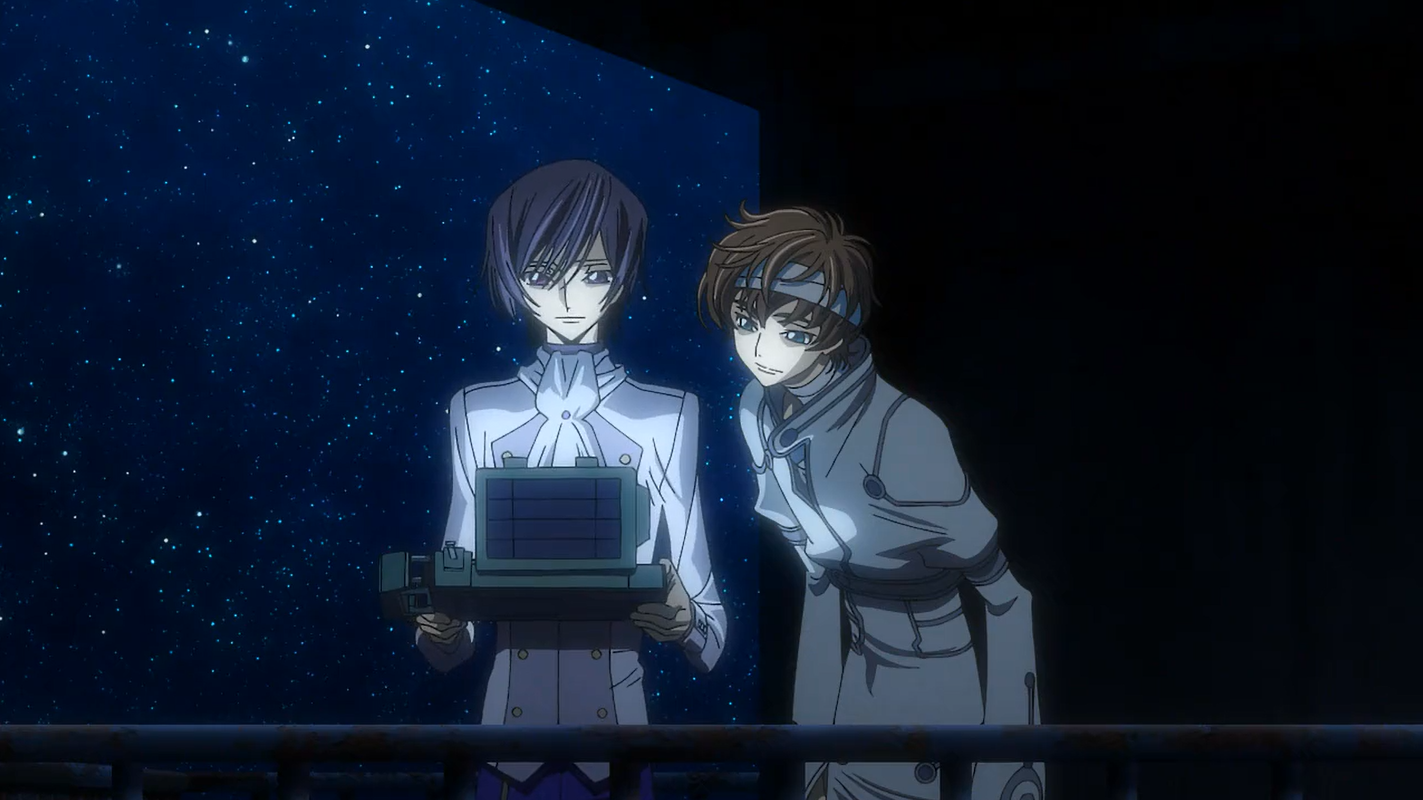


Lelouch eventually does regain his memories, and it’s at this point that the film starts to lapse into a steady, familiar okayness that it never really breaks out of. The plot becomes focused on his nation-wide, Geass-charged battle against Shamna, Shalio, and their collective of poorly-named weirdos (Shesthaal, Bolvona, Swaile, Belq - no, you’re not having a stroke, those are their actual names that the director that sounded human and naturalistic) that represent Zilkhstan. Lelouch is aided by a few familiar faces - his ace and on-and-off love interest Kallen Kozuki, the silly and beloved scientist Lloyd, and Lelouch’s loyal yet idiosyncratic ninja maid Sayoko, among a few other fan favorites and a vast amount of cameos. No signs of V.V., unfortunately.

Resurrection’s first half is better than its second half - the film peaks pretty early on, in fact. Seeing Lelouch in an almost hypnotic state, trance-like and delusional as C.C. tries her best to take care of him and protect him from mysterious criminals is striking and unexpected. It brings to mind the more fragile interpretation of him in Akito the Exiled. The film gets off to a rolling start with two brief yet riveting and well-paced, atmospheric fights that communicate the danger of Lelouch’s new enemies well (the hotel battle in particular is great), and Zilkhstan itself is just a terrific location, a unique blend of Middle Eastern and cyberpunk stylings I can’t compare to anything else. There's a religious undercurrent to the location that sharply defines the country's personality and role in the overarching mythos - it feels like it was always there, rather than just being tacked on (and it’s a damn better country than Code Geass’ interpretation of fucking China).

Fantastic designs. It feels like they personally know God.
I wish the inhabitants of Zilkhstan were as strong as their home. None of the film’s six new characters are bad, but so many of them start out great, only to wind up in an underwhelming place. Swaile Qujappat (-sigh-) really kicks the movie into high gear by wielding a fancy Geass power and a team of tough, masked assassins, but his initial rivalry with C.C. and Kallen is never followed up on - he’s murdered by a side character, in fact. The rough-and-tumble Belq Batoum Bitool has an incredibly strong design, a fascinating blend of hulking musculature and catlike agility that works surprisingly well, but much like Swaile, he’s not allowed to do much after his first fight. Shesthaal Forgnar is particularly disappointing - he’s not even allowed the chance to fight in his new Knightmare Frame before he gets utterly destroyed by Lelouch (it makes you wonder why they even made a new design in the first place; merch?). Shesthaal’s death is apparently supposed to be a massive instigator for his well-renowned father, Bolvona Forgnar, but Shesthaal barely had any time to make an impact before he was killed, so the impact is lost on the audience somewhat.

King Shalio and Queen Shamna are unique beasts. Shalio is probably the standout new character made for this film. Shalio has the coolest Knightmare, the coolest gimmick (a crippled yet deadly Knightmare pilot), and especially the coolest look - his design is mystical and eerie. Shalio constantly looks and feels like he’s drenched in sunlight, likewise for his exotic and icy sister Shamna. Shalio also has an amazing death scene, a nightmarish and red-dominated explosion of pencil drawings and whirlwinds that works incredibly well - had Shalio had a couple more unique scenes, he really could have been something special. Instead, he has to settle for being pretty damn good. Shamna comes close - her dynamic with Shalio is an evil parallel to Lelouch and Nunnally, and her authority and grandiose sense of self-importance is felt every moment she’s on screen. But Shamna’s plan is confusing (quite confusing, in fact), and her time travel-oriented Geass power breaks the movie's logic and breaks the rules and consistency of the Geass power system as a whole; she is a pretty good villain otherwise, exactly as strange, elitist, and flamboyant as she needs to be (which pits her as the theoretical perfect rival against Lelouch), but she’s unable to overcome that gaffe due to the film’s last third being dominated by the specs and usage of her power.


The returning cast is decently well-used but some characters needed more - Suzaku felt pretty irrelevant to both the conflict and the characters around him after he gets rescued, both Jeremiah Gottwald and Anya Alstreim (fan-favorites) felt like they were tacked on, there to press a button and nothing more (if Jeremiah's Geass canceler was used against Shamna and Swaile somehow... food for thought), and the otherwise-great Kallen needed one more scene with Lelouch to tie up loose ends. Lelouch and C.C. are the clear-cut standout characters in this movie - C.C. is emotional and arguably way better here than she was at the end of the second season, and it's fun to see Lelouch acting like his expressive, charismatic self all over again. These two have the best scenes in the movie. The ending scene between these two is terrific, as is the cryptic, vague post-credits scene.


Superficially, the film is a mixed bag, but it ends up being good more often than not. The color palette is stronger and bolder here than Code’s sometimes bleached-out 2000’s look (chalk it up to age at the end of the day), and the character animation is perfectly decent, and sometimes pretty great during the hand-to-hand fight scenes, or a particularly amazing and evocative bit of facial animation with C.C. right at the end of the movie (the "When She Smiles" trope in full effect - I think it's just as strong as Rei Ayanami's smile). On the other hand, the CG effects are… not that great. Practically all of the Knightmares run on CG animation, and while Sunrise has definitely improved since the dreadful Akito days, the reliance on CG for the now-iconic Lancelot and Guren feels disingenuous and artificial. Some Knightmares look good in motion (Shalio’s) while some look and feel fucking pathetic (Belq’s weird Scorpion robot, which visibly looks like it operates on a lower frame rate than anything else) - the mecha quality fluctuates depending on the scene, and it makes one yearn for the easy proficiency and consistent quality of the robot animation in Code Geass itself.

Like, you've gotta be fuckin kidding me right?
There are small grace notes of fantastic things here and there. The film’s pacing is rock solid - it rarely slows down to take a break, but it never becomes too hard to follow. Resurrection’s score is wonderful - it maintains all the dramatic and wistful nature of Code’s original score and throws in some fantastic new tracks, like a wicked, guitar-dominated stinger track for Shalio and tense, restless electronics for the moment when Lelouch takes up the mantle of Zero once again (“Revive” is also an amazing, swelling ED). There’s a terrific scene where Lelouch and C.C. bounce ideas back and forth as they strategize and try to determine a strategy against Shamna that harkens back to the R1 days, and C.C. is referred to as “Pizza Girl” by Kallen in their first meeting.

But the film is also pockmarked by problems here and there that drag it back down to earth. The mythos of Re;surrection are hazy and unclear - it’s never particularly clear why Shamna needed Nunnally for her plan, or what this plan would even lead to in the long run. Magic has never been Taniguchi's strong suit. In some ways, the battles lack the intelligence and nuance of R1 and (to a lesser extent) R2 - Suzaku and Kallen pressed a singular button and annihilated dozens of mooks at one point. And I don’t like the weird Frame Coating thing they’ve given the Lancelot and the Guren (pictured above for Lancelot) - it gives the sleek, slim mechs a bulky, overcomplicated, and shapeless look that flies in the face of the design philosophy of Code’s Knightmare Frames.


Equal highs and equal lows - Resurrection averages out to being perfectly fine, even though it could have been great. Resurrection does not feel like a revival so much as it does a rough draft - I hope this film leads to more, that its very nature is used as a springboard for future Code Geass material. There’s room for improvement to be had here - in some ways, it feels like Code didn’t really learn from its narrative mistakes. But it’s nice to see some more Code Geass material, and the film's strongest moments are striking, memorable, and ensnaring enough to make you remember what got you into the series in the first place. At the very least, it can resurrect some great memories.


6.5/10.

♫ ★ ☆ BANDCAMP ► https://lastkeymusic.bandcamp.com/
SUPPORT ME ► https://www.patreon.com/lastkeymusic
LEAVE A TIP ON KO-FI ► http://ko-fi.com/lastkeymusic
LEAVE A TIP ON PAYPAL ► paypal.me/lastkeymusic
MAIN YOUTUBE CHANNEL ► https://tinyurl.com/yy429zu9
TWITTER ► https://twitter.com/LastKeyMusic
TUMBLR ► http://lastkeymusic.tumblr.com/
SOUNDCLOUD ► https://soundcloud.com/user-645492970
VIDEO GAME MUSIC COVERS ► https://tinyurl.com/y7m2kopp ☆ ★ ♫

Thursday, May 7, 2020

Redemption and Circumstance: The Issue with Catra


Very gentle spoilers for characters in Season 3 and Season 4. Plot descriptions kept vague. The surprises contained in both seasons will likely not be ruined for you if you haven't seen them.

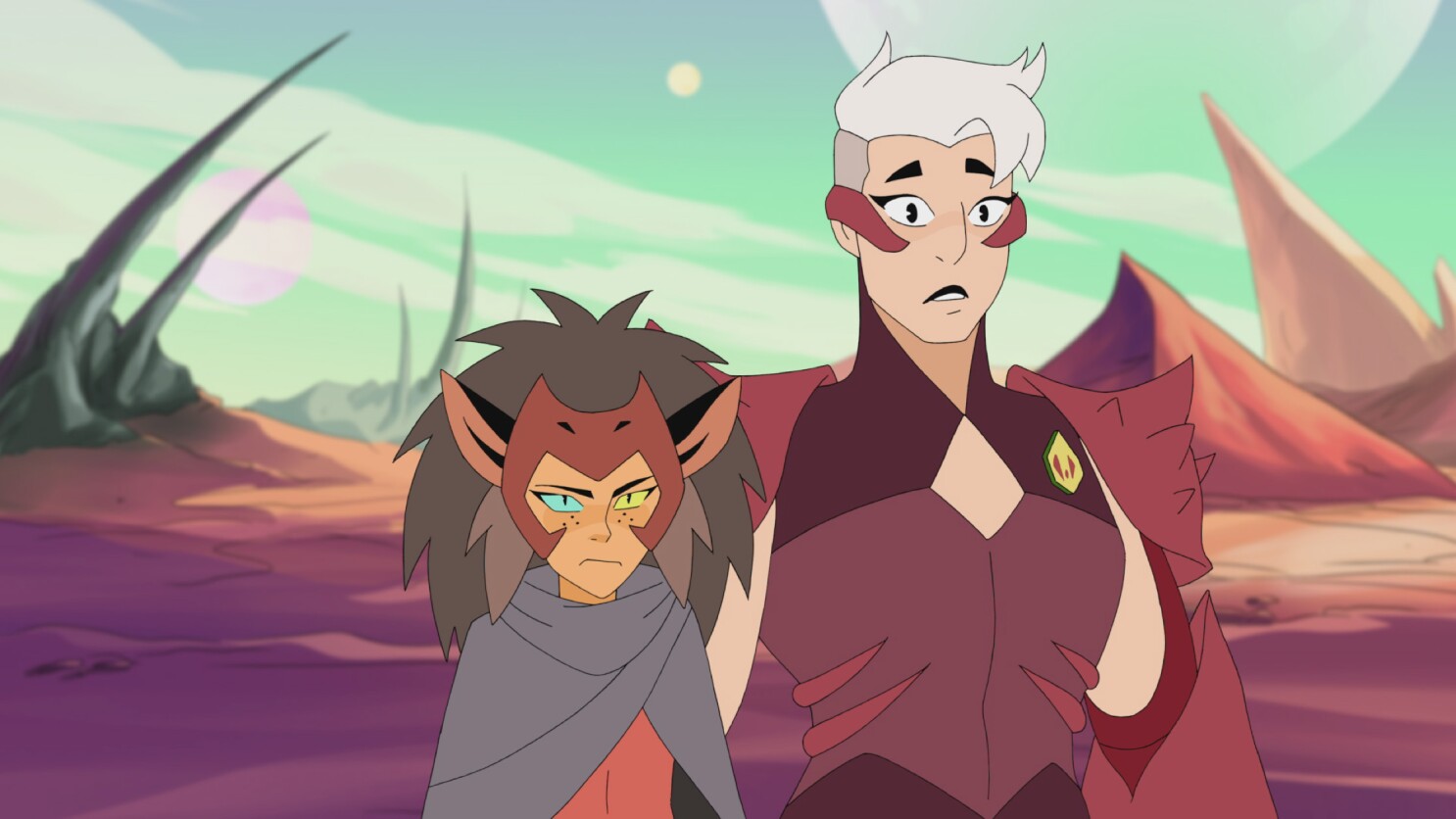
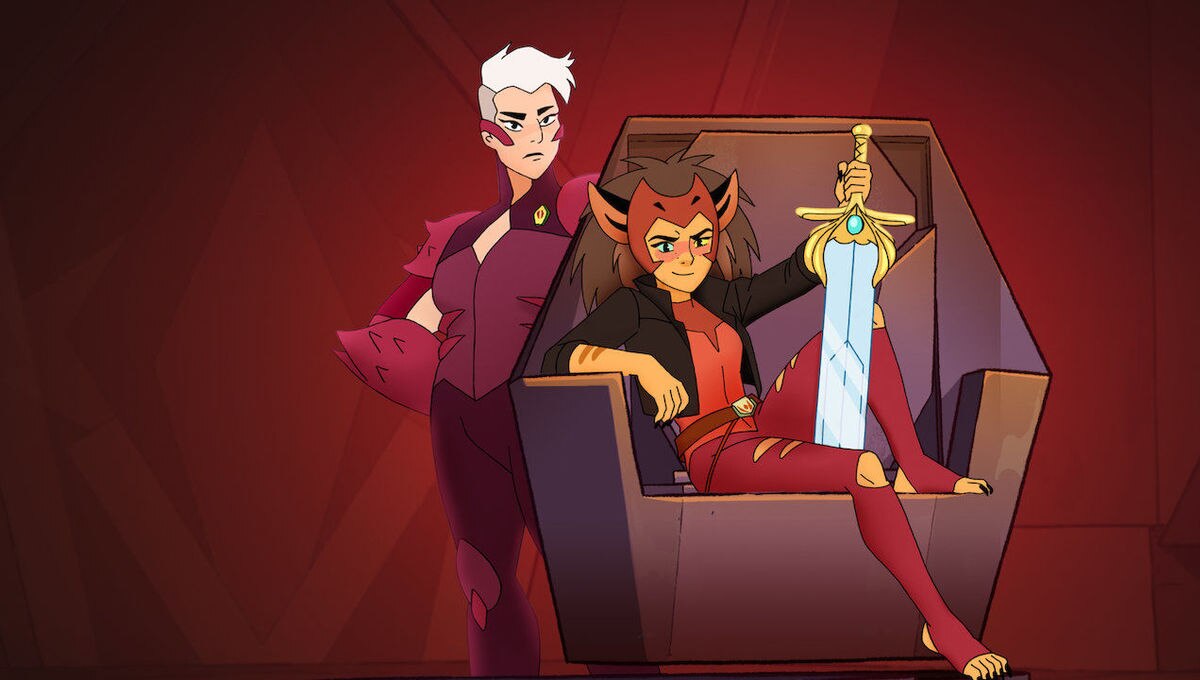
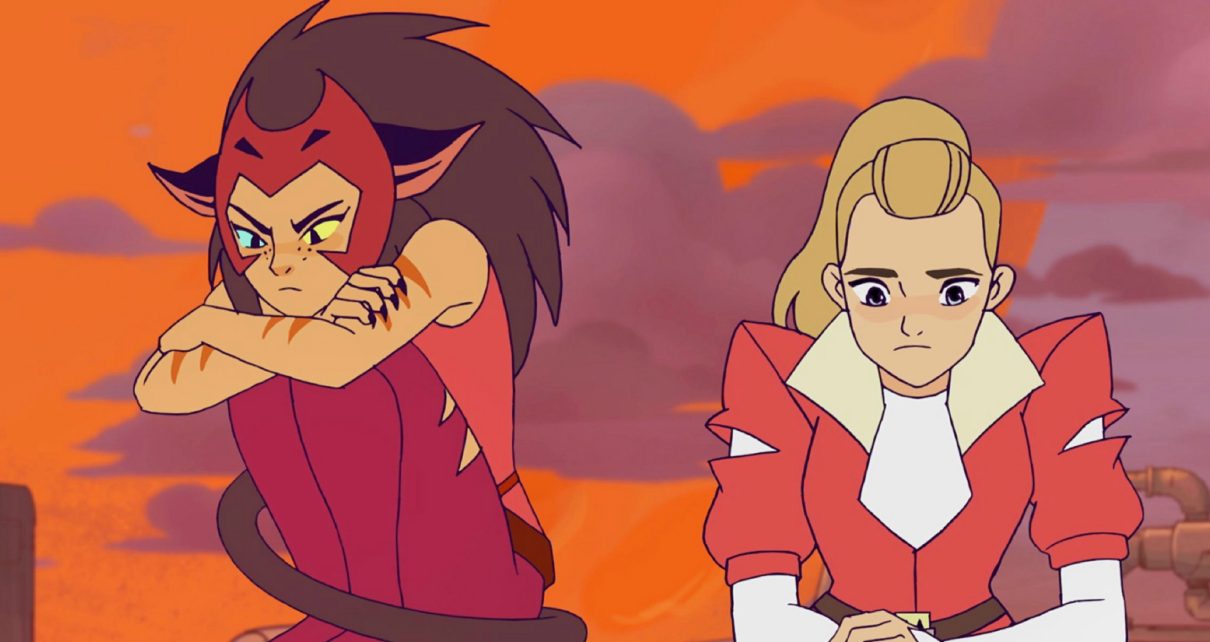
Let's make the exposition brief, get the scene-setting out of the way. Catra is one of the primary antagonists from Netflix's promising-but-rushed She-Ra and the Princesses of Power - and yes, she's called that because she's a cat. Why? Don't actually matter. Catra was the best friend of Adora (the main protagonist and the true identity of the titular She-Ra; lot of Ra's here), and the two of them grew up together serving as child soldiers for the Horde, a bunch of techno-industrial evil douchebags led by professional bastard Hordak and his wicked vizier Shadow Weaver, the mother figure to both Catra and Adora. True to the staples of the "Prodigal Sons" trope, Adora and Catra were separated by fate - Catra remained with the Horde, and Adora went on to fight for the freedom of the planet that the Horde was trying to conquer.


Up to speed? Cool. That's Catra in a nutshell - the dark side of the same coin that Adora belongs to. The literal Tails to her Heads. Now the important question - what's wrong with Catra as a character? What happened?? Catra started off so well - Season 1 and Season 2 Catra was a fantastic antagonist. She made strong, dynamic choices, and was full of enough ambition and insecurity that we really got to see a glimpse of the person underneath her smug, embittered shell. She wasn't anywhere near 'forgivable' or even 'redeemable', but she was sympathetic at least. It felt like she had good reason to act the way she did.

But then, at some point, the showrunners decided that Catra needed to have a redemption arc... even though Season 3 and 4 Catra (which is where we left off with her, no less) has shown signs of getting progressively nastier, crazier, and somehow far more unlikable and isolated.

And this is the problem with Catra. The showrunners are attempting to redeem a character that has done nothing to deserve a redemption arc.


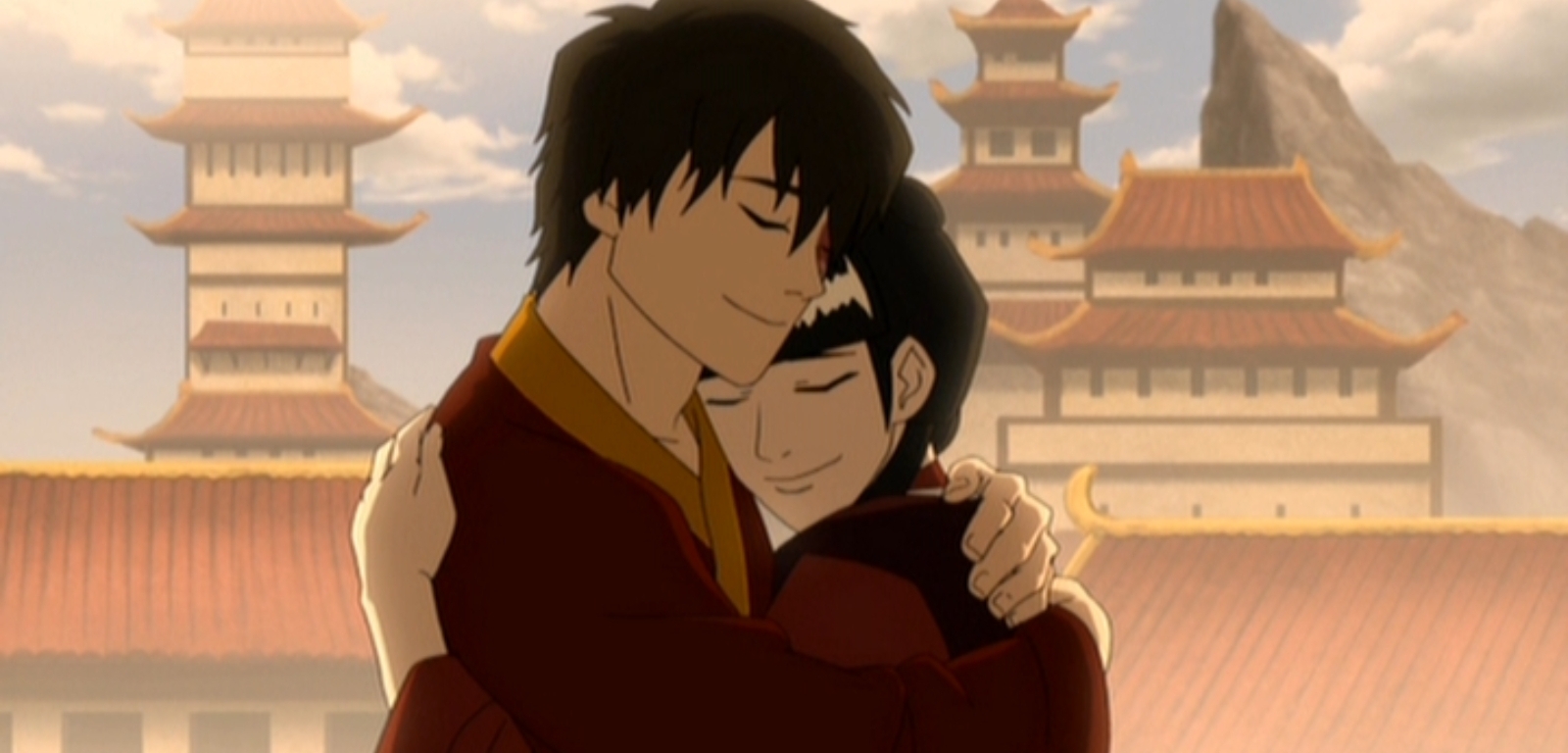
What makes a redemption arc really click is if you feel that the redeemed character in question... is worthy of the narrative's grace or not. If you want a strong example of a tried-and-true redemption arc... well, look no further than what many people consider to be the best of the best: Avatar's Prince Zuko. Zuko needs no introduction. He's the GOAT - that's all there is to it. The neat thing is, there are many similarities between Prince Zuko and Catra - they both start off as evil-oriented characters with abusive caretakers, a lack of friends beyond a single, reliable and positive-minded confidant (Uncle Iroh for Zuko, and Scorpia for Catra), and an incredible drive to prove themselves and live up to the overwhelming expectations placed on them by their shitty superiors.


But what separates Zuko from Catra is Zuko's gradual rise from villainy. Zuko absolutely did not start out as a character worthy of redemption - he was tragic, misunderstood, and sympathetic, sure, but none of that wiped the blood off of his hands. He was a selfish and impulsive murderer hell-bent on chasing something that practically everyone around him agreed wasn't worth it. Even with his moments of genuine kindness beneath his veil of wounded arrogance, Zuko would often relapse and fall back on his goal, because it was all he had beyond his Uncle Iroh. As the show neared its middle section, however, the kindness of the series protagonists (in particular Aaag) and the wisdom of Iroh slowly started to reach Zuko. Even when Zuko achieved exactly what he wanted... he wasn't happy. And it was only then that the road to redemption started - right in the middle of the show, and right when Zuko was starting to grow into a better and more mature person. There isn't a soul on Planet Earth that denies the inherent 10/10 writing of Zuko's arc. He's magnificent - and a big reason Zuko's arc worked was because of pacing and focus. Zuko had ample time to be set up a villain, had ample time to realize his shortcomings, and had plenty of time to work past his flaws and turn into the lovable badass he is today. Godspeed, Zuko.


Compare Catra. After Season 2, it feels like Catra begins to descend further into villainy. Catra becomes a lot more selfish and underhanded than before, the already-enormous gap between her and Adora deepening even further as Adora desperately tries to sway Catra from doing something irreversibly bad (much like an actual cat). Catra begins working against and betraying her superiors to get what she wants. She practically turns into an omnicidal maniac by Season 3, ranting that murdering everyone would be just fine if it meant that her better-written rival wouldn't win. And the further that Catra descends into hedonism and villainy, the further she alienates her boss (Hordak), her childhood friends (Lonnie), and the only people that even give her the time of day anymore (Entrapta and especially Scorpia), all because of her vacuous, toxic, ritualistic habits that stem from cycles of abuse (institutionalized and personal) and self-inflicted loneliness.

Good qualities for a rising villain? Absolutely.
Good qualities for a character the showrunners clearly want to redeem? Not a fucking chance.


And therein lies the problem. Catra has done practically nothing to deserve forgiveness, and yet the showrunners desperately want her to have it. Even the moments of levity that Catra has are always seen under the pretense of her doing something terrible and self-serving, like conquering a desert nation just to fuel her ego. She still does terrible things, still orders her troops to do terrible things, still consistently refuses the call to goodness, and still abuses those closest to her - especially Scorpia. And while the showrunners were wise enough to realize that Scorpia would, realistically, get fed up and hurt by Catra's personality... they weren't wise enough to have Catra make up for her behavior even though they want us to believe she's worthy of salvation (they also weren't wise enough to realize that Glimmer is absolutely using Scorpia even though Scorpia dislikes Catra for the very same reasons... it makes me concerned for the state of She-Ra's initially-good themes about abuse, but that's another essay for another time). By the end of Season 4 (which is exactly where we are now), Catra is at an all-time low... and there hasn't been a single, noticeable all-time high outside of what flashes we've seen of Catra when she was a happier child. And that's not the Catra they want to change. That's not the Catra they want us to see.


I'm sorry, but a "Reason You Suck" speech should not be delivered from one piece of shit to another piece of shit of equal value, lmao. Double Trouble (bad name) is also a hedonistic, selfish diva who's even more shallow and directionless than Catra... and much like Catra, the showrunners never bothered to give them a chance for redemption. So using Double Trouble as the means to try and force an atoner's clarity out of Catra... yeah, bad move. It's like Stalin telling Hitler "dude, you are bad for killing people." A much better eye-opener character would have been Hordak, who is actually a decent example of a villain that's been given humanity and understanding in spite of his malicious, snarling demeanor, unlike Catra, who... hasn't.

Catra's backstory and harsh circumstances also aren't enough to redeem her. It makes her easier to understand, yes - it's undeniable that the Horde and Shadow Weaver's emotional abuse fucked her up, and was partially responsible for putting Catra in the broken mindset that leads her to make bad decisions. But she'll get no sympathy from me. Why? Because of Adora. Adora was in the exact same boat as Catra - sure, Adora was favored by Shadow Weaver, but Shadow Weaver still definitely abused her, albeit in a far subtler, more manipulative way. Adora was just as indoctrinated by the Horde as Catra... but Adora made a conscious decision to join the Princesses and fight for what is objectively good (because at least the Princesses don't conquer planets). This implies that the same thing happened to Catra... Catra is making a conscious decision to stick with the plainly-evil Horde and making a conscious choice to continue making bad decisions. Adora even points this out in Season 3, stating that Catra made her choice... so she has to live with the consequences.


And Adora's right. Catra's making the choice to be an asshole, and that's that. Assholes are, typically, unforgivable, unless they make a point to not be an asshole. Like Zuko. Sure, it's fucking sad that Catra was abused and mistreated and groomed to only be a killing machine, but it doesn't excuse anything she's done up until this point. Like, it's possible to relate to the loneliness and anger that often drives school shooters or terrorists... but they don't deserve forgiveness for murdering children. They never do. And neither does Catra. The showrunners need to realize that, too.

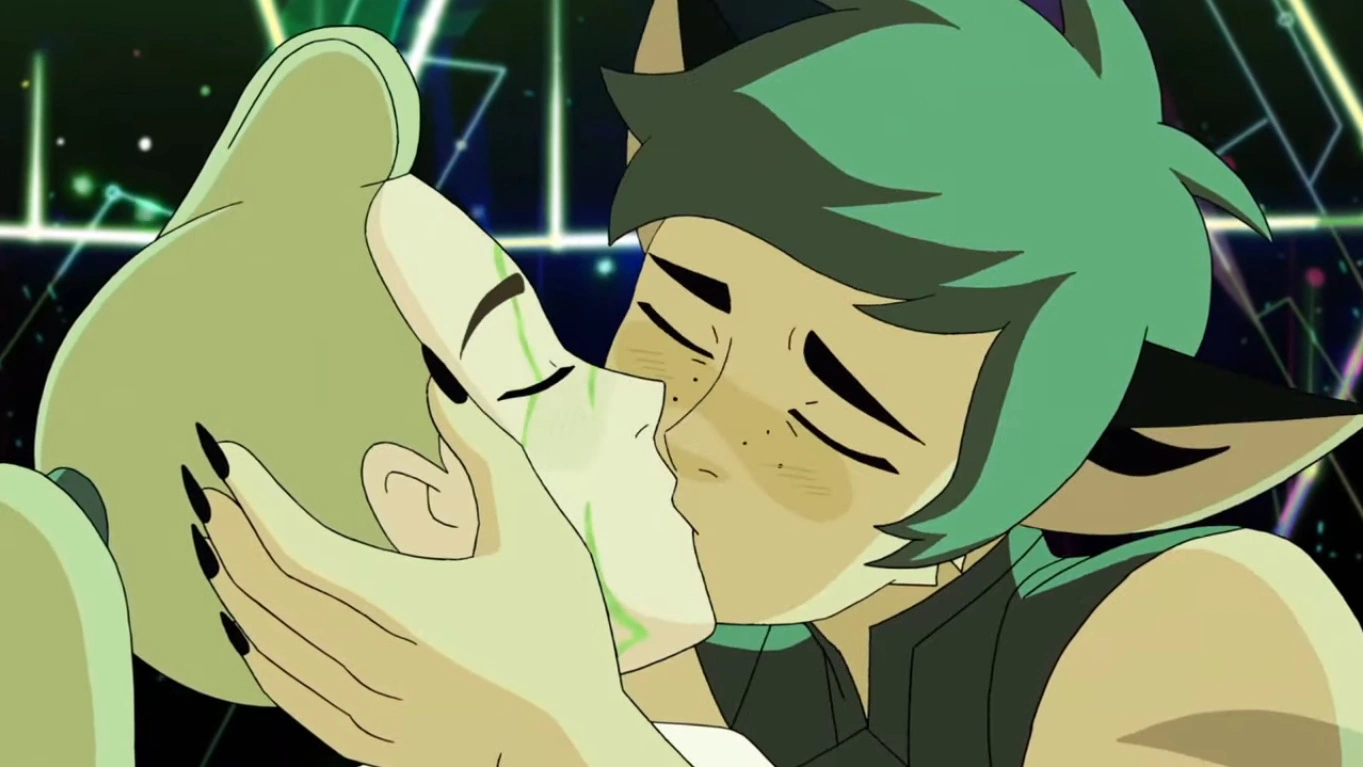
With Season 5 on the horizon (and it's looking to be the finale), we're running out of time... and Catra, as of this point, has not met the requirements of a character that deserves a redemption arc. She isn't worthy of our grace. She's become nastier and altogether more grim and chaotic than before, snarling and slinking around the Horde's headquarters and sulking in her growing loneliness. Truly a character worthy of being forgiven. It really sucks because there have been plenty of moments before this that the showrunners could have used to develop Catra and possibly steer her in the direction of a person that wants to improve themselves... but that didn't happen. Instead, they doubled down on making her a slimy, smug snake with an inferiority complex and a massive temper. That's not to say that any of these traits are bad for a villain/anti-hero (not at all), or bad for a redemptive character per se... but if you want to make someone terrible make a noticeable transition into someone good, at some point you have to make them not want to murder kids, kick puppies, and abuse their closest friend. We're in the endgame now, and Catra's morally (and narratively) worse than where she started.


"I don't care what happens to this character." The eight deadly words to hear if you're a writer/creator. And it's true. Given the intended direction Catra's going down... I don't care what happens to her. For all the screentime Catra's allotted, it feels like she's heading nowhere satisfying very quickly (unless they wind up not giving her a redemption arc after all... in which case, this'll all just feel like a cocktease). It's a shame to see such a promising character wasted on deteriorating writing quality and ruined by the all-too-pressing need to make 'something special'.

Let this be a lesson - if you want a devil to look like an angel, at some point or another... they need to start making a strong step towards the road to heaven.

For Zuko, that was standing against his father.

For Catra...

Well. She had her chance to stand up.


♫ ★ ☆ BANDCAMP ► https://lastkeymusic.bandcamp.com/
LEAVE A TIP ON KO-FI ► http://ko-fi.com/lastkeymusic
LEAVE A TIP ON PAYPAL ► paypal.me/lastkeymusic
MAIN YOUTUBE CHANNEL ► https://tinyurl.com/yy429zu9
VIDEO GAME MUSIC COVERS ► https://tinyurl.com/y7m2kopp ☆ ★ ♫